Delivery packaging that comes back.
SwapTote runs a shared pool of standard reusable containers for food and parcel deliveries. You hand back your empties, and your order arrives in a clean one. No cardboard, tape, labels or plastic mailers.
- Pay per trip
- Food-safe and parcel pools
- Every trip tracked
Single-use delivery packaging is about to cost producers money
Every delivery today ends in a box, a bag, tape and a label that are used once. New rules are making producers pay for that waste and pushing them toward reuse.
California's SB 54 requires a 25% cut in single-use plastic packaging and food service ware by 2032, measured against 2023. At least 10% of that plastic must be cut by shifting to reuse or refill, or by eliminating plastic components. The permanent regulations took effect on May 1, 2026.
Sources: [1] [2]The EU's packaging regulation requires 40% of transport and e-commerce packaging to be reusable from 2030.
Source: [3]Vytal, a reusable food-container operator, reports a 99.6% return rate in workplace cafeterias.
Source: [4]The return rate decides everything.
A container that doesn't come back is a cost, not a saving. If returns are high, each container makes many trips and pays for itself. If they're low, it never does. Closed loops such as campuses, workplaces and fixed delivery routes can get return rates above 90%. Vytal reports 99.6% in workplace cafeterias [4]. That is why SwapTote starts there.
The bars show the average trips per container before it is lost, at each return rate (1 ÷ loss rate). This is simple arithmetic, not measured data.
It works like bringing your own grocery bag, except you swap it
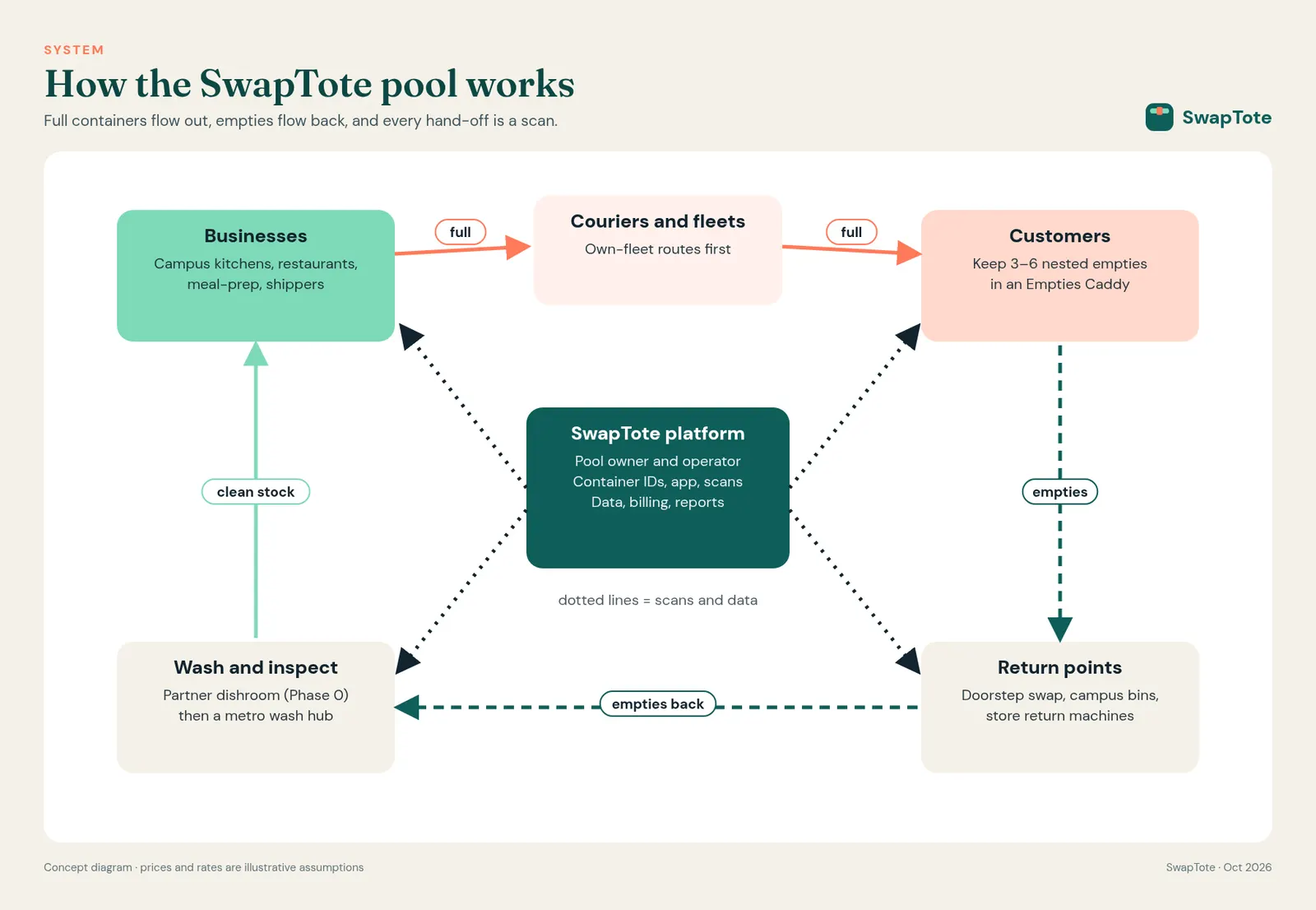
You keep a few nested empties by the door. When the courier brings your order in a SwapTote, they take your empties with them. It's the German Pfand bottle idea [5] applied to delivery.
Pack and seal
The business scans a container to the order, packs it and adds a tamper strip.
Deliver and swap
The courier hands over the full container and picks up your nested empties in one stop.
Scan and credit
One scan logs the return. Deposits or credits come back automatically.
Wash and reissue
Empties are washed, inspected and sent out again, many times over.
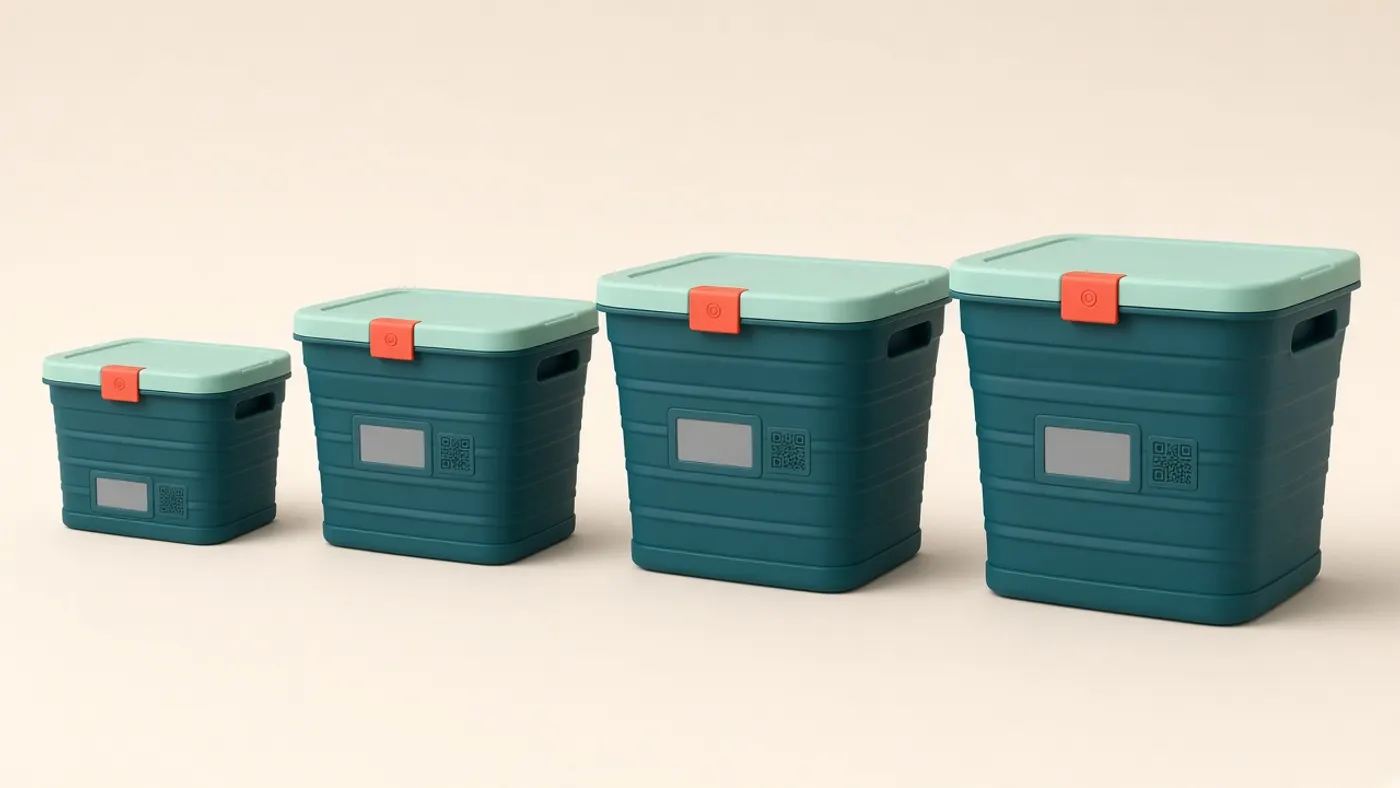
A few standard sizes in two pools that never mix
Keeping to a few sizes keeps washing, racking and van loading simple. Every unit is owned by the pool and carries its own ID.
Food-safe, sanitized
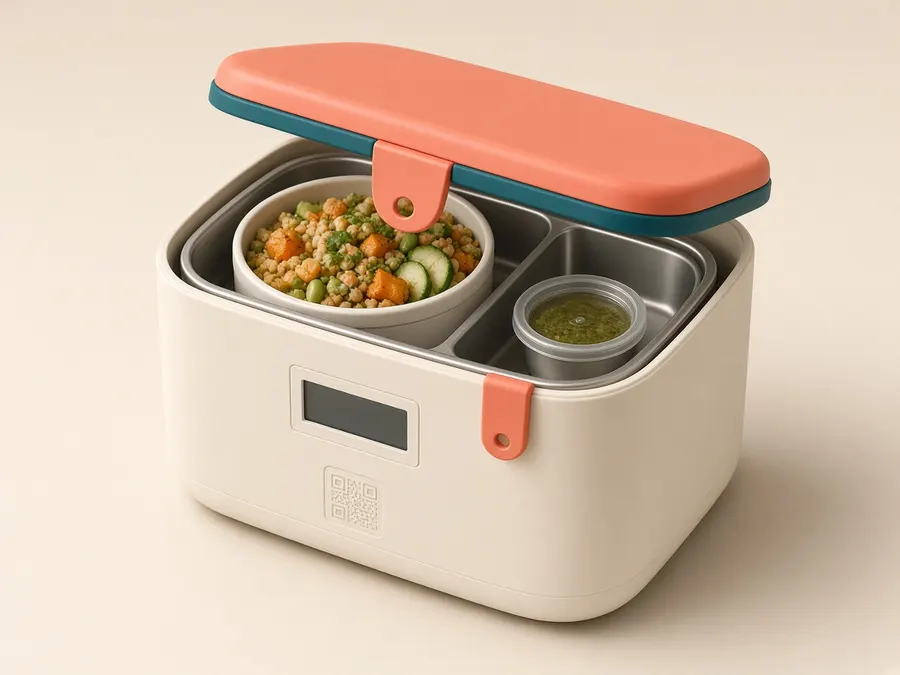
Food-contact polypropylene, washed to a food-equipment standard. Insulated variant for hot meals.
- F1 bowl · F2 entrée · F3 two-compartment · F4 cup
Durable, collapsible
PP or HDPE totes and fold-flat boxes for goods, with RFID for bulk reads.
- P1 flat mailer-tote · P2 small box · P3 medium tote · P4 insulated grocery and meal tote
Size line-up is a proposal to validate in pilots.
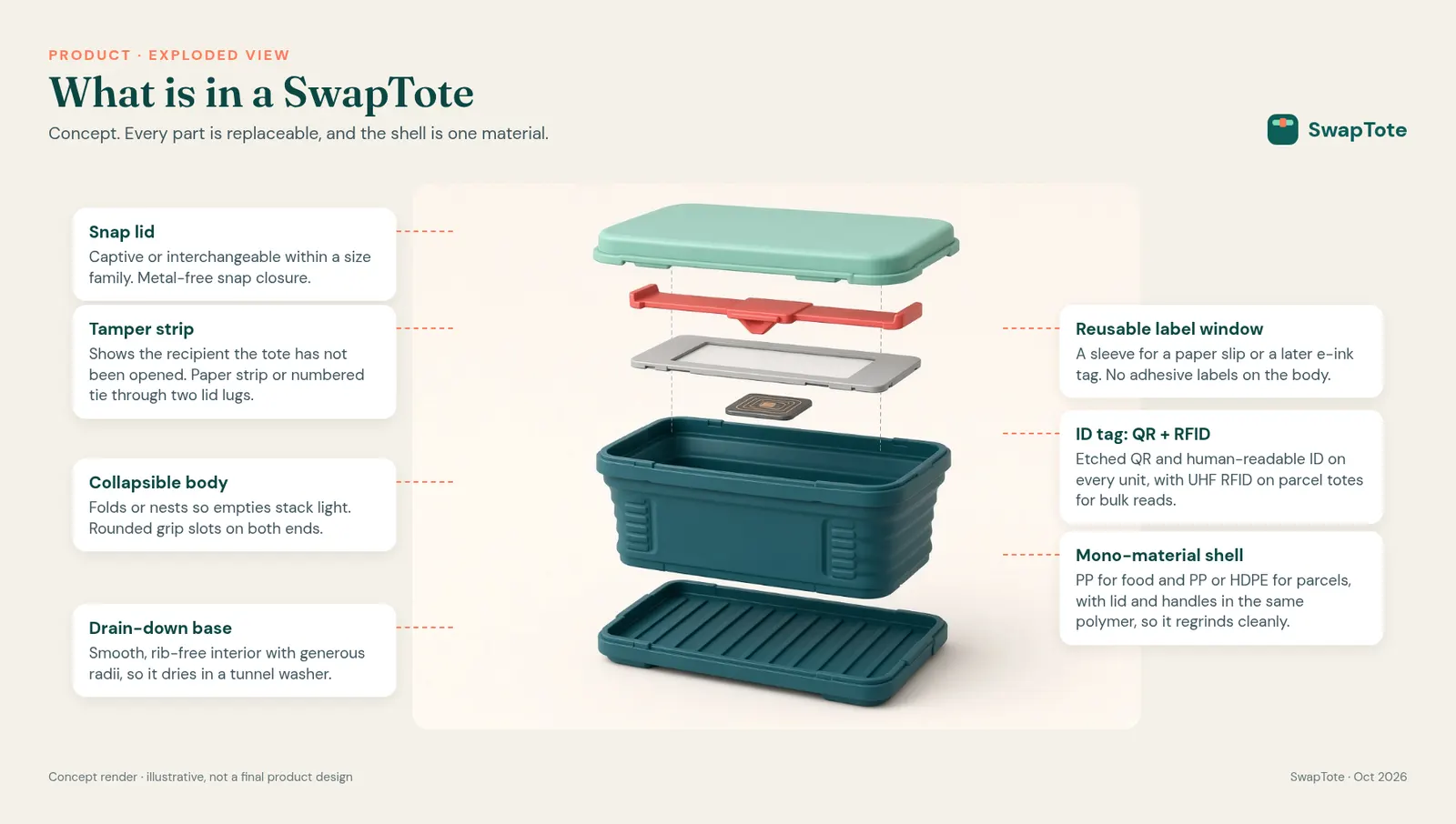
- Tamper strip. The recipient can see it hasn't been opened.
- Reusable label window. Holds a paper slip now and an e-ink tag later. No stickers.
- QR + RFID. Any phone can scan the QR, and RFID reads a whole stack at once.
- Collapses or nests. Empties take up little space at home and in the van.
- Replaceable parts. Swap lids, handles and seals, and the shell keeps going.
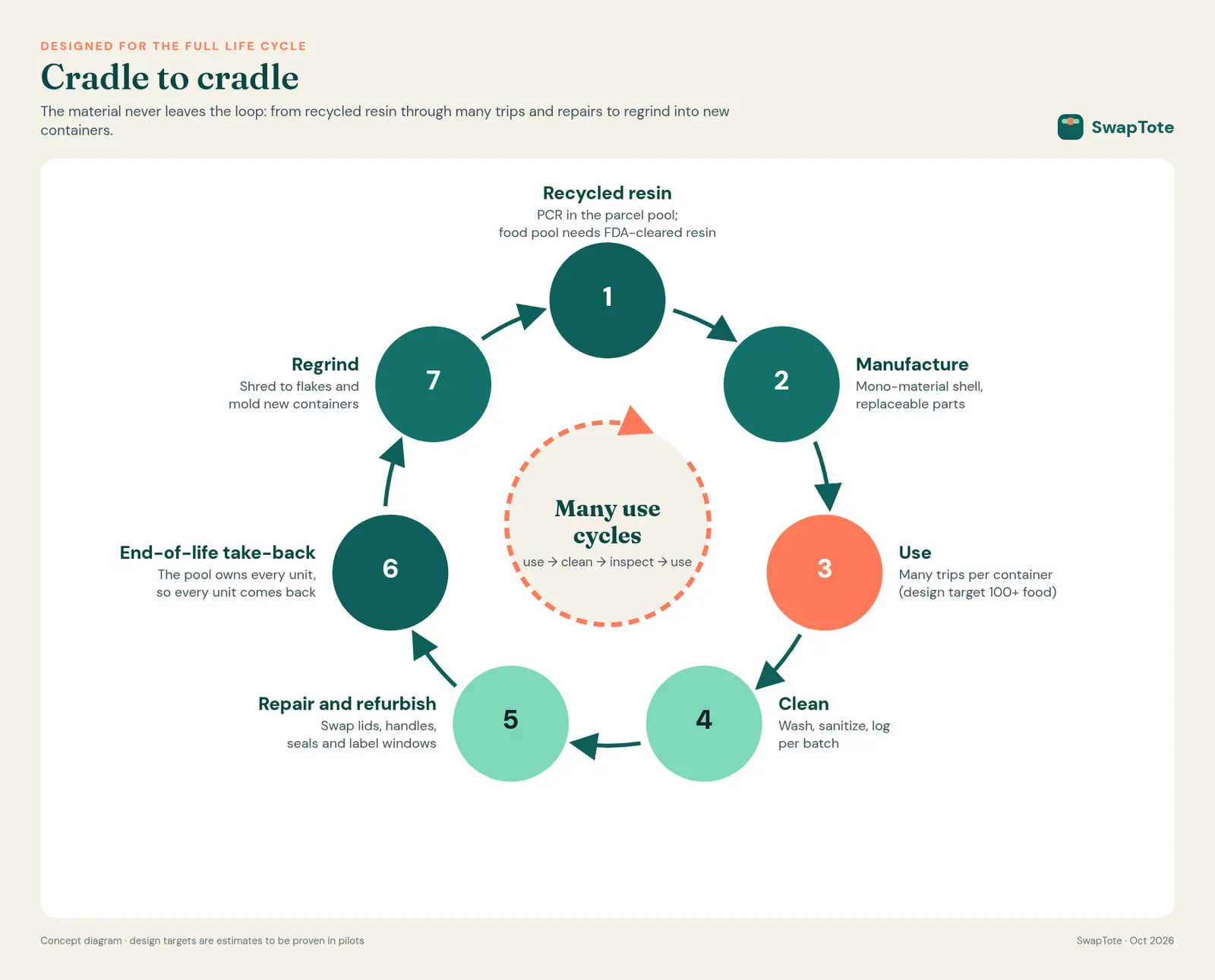
Designed for the full life cycle, from resin back to resin
A reusable container only helps the planet if it's easy to clean, easy to carry and easy to recycle at the end of its life. SwapTote is designed for all three.
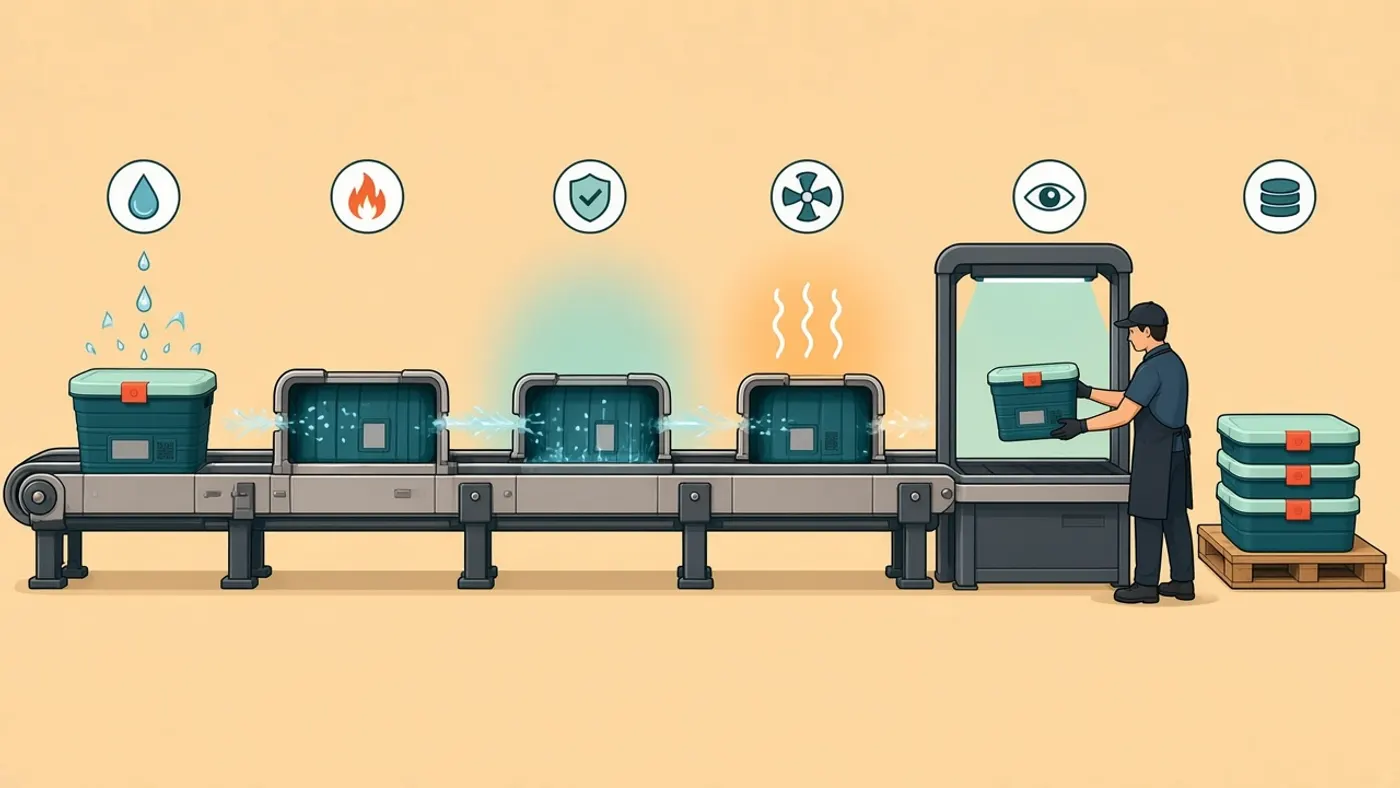
Designed to clean
- Smooth mono-material shell. The body, lid and handles are one polymer.
- No crevices. Generous inside radii, with no ribs, pockets or blind holes on food surfaces.
- No adhesive labels. No glue residue, so no scrubbing step.
- Reusable label window. The slip comes out and the window stays.
- Drain-down shape. It dries fast in a tunnel washer.
- Separate pools. Food-safe and parcel containers are washed to different specs and never mix.
Phase 0 uses the dishroom already on site. Later, each metro gets one wash hub, and every batch is logged.
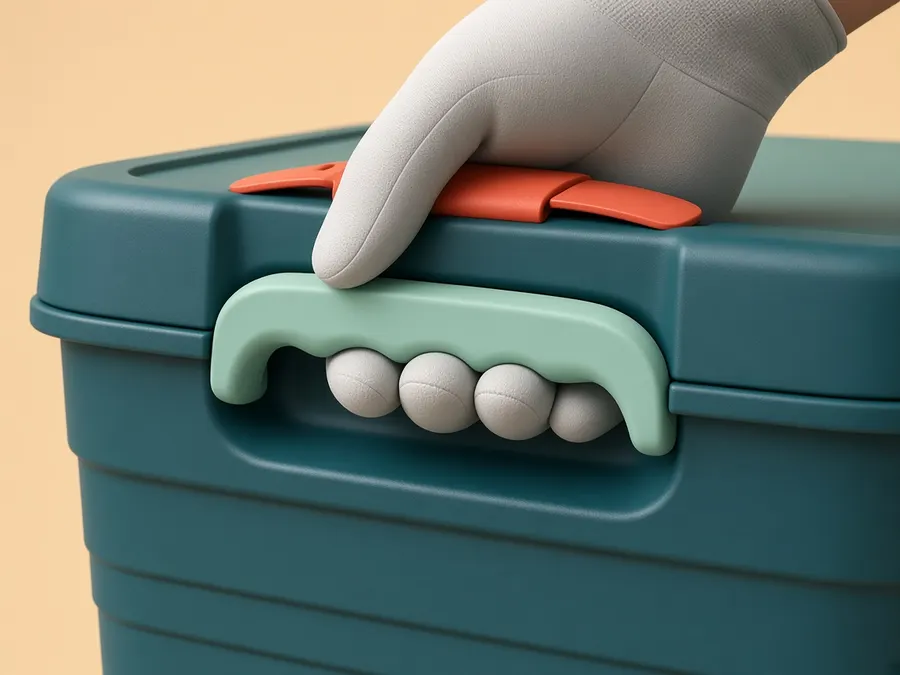
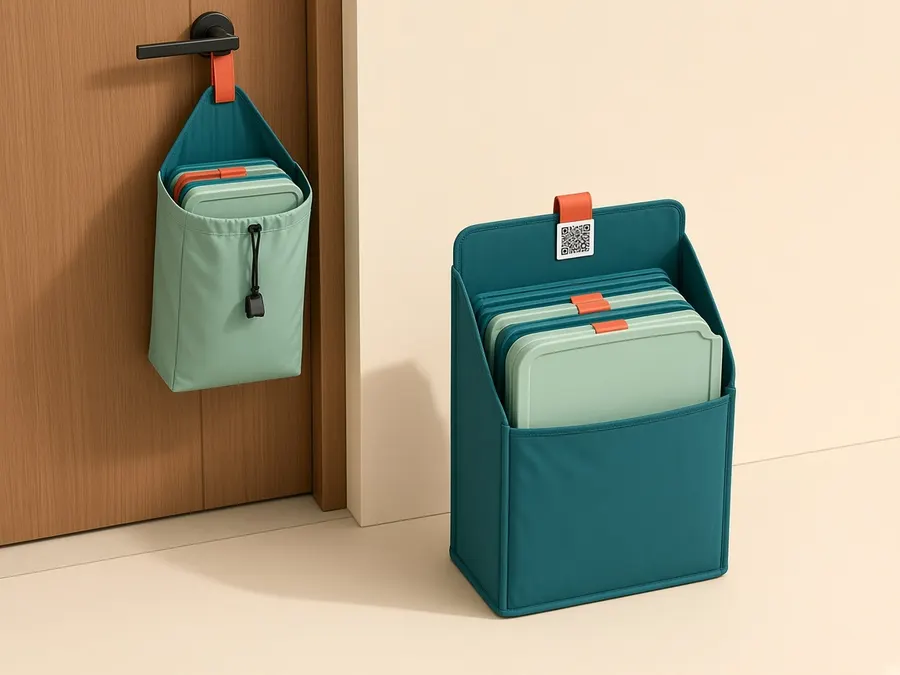
Designed to carry
- Ergonomic grips. Rounded, recessed handles with soft-touch inserts.
- One-handed courier grab. Set down the full tote and pick up the empties stack in one motion.
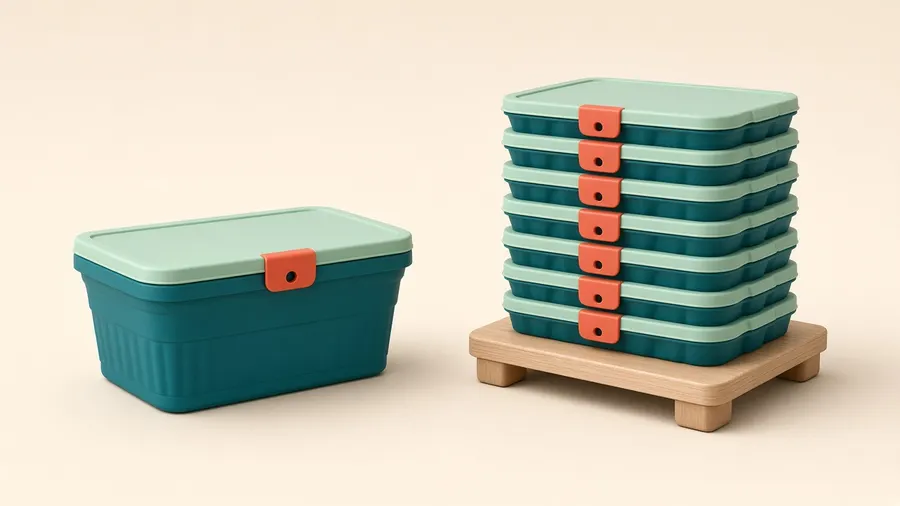
- Nest or collapse. Empties make a light stack you can carry by one strap.
- Empties Caddy. A door caddy holds 3 to 6 empties and tells the courier to swap here.
- Doorstep return bag. A lockable bag means the swap still works when nobody is home.
- Weight limit on every unit. Lifts stay safe for couriers.
Storyboards: a day in the life
We start with the closed loops, where the same people and the same routes come back every day, and grow from there.
Takeout that comes back, on a controlled campusWedge #1
Corporate campuses, hospitals, colleges and large buildings. Containers come back on site and are washed in the existing dishroom. The business pays per trip.
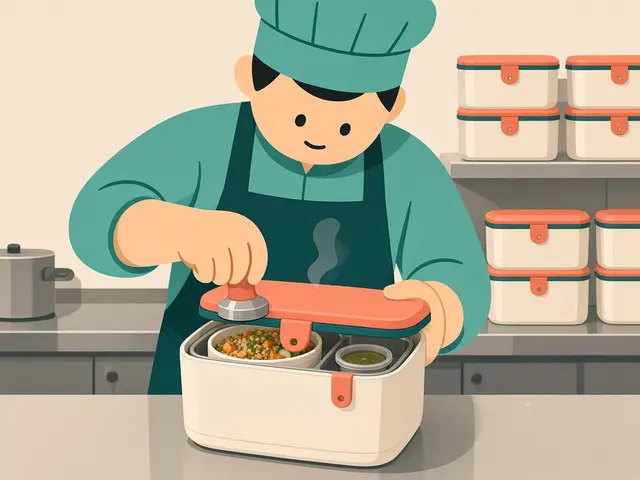
Pack. The campus kitchen fills a food-pool container and seals it.
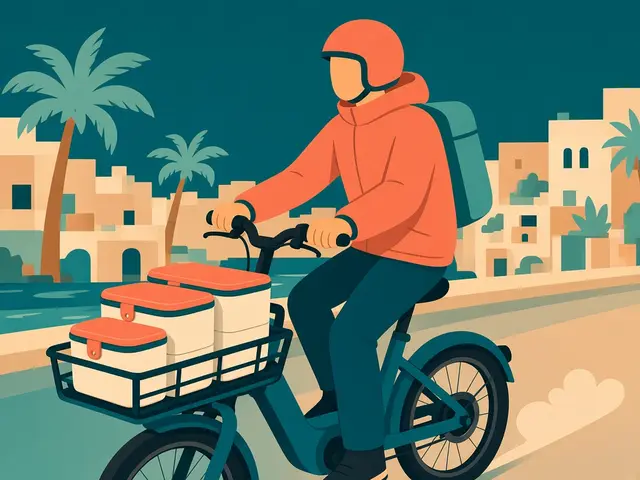
Deliver. Across campus by e-bike, or picked up at the counter.
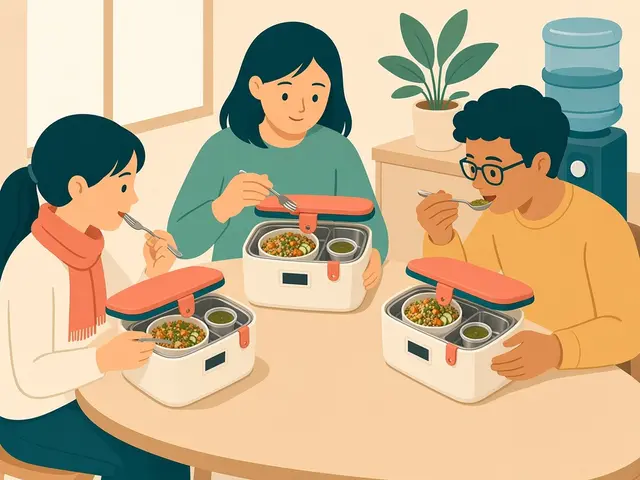
Eat. Lunch, without the clamshell or the plastic bag.
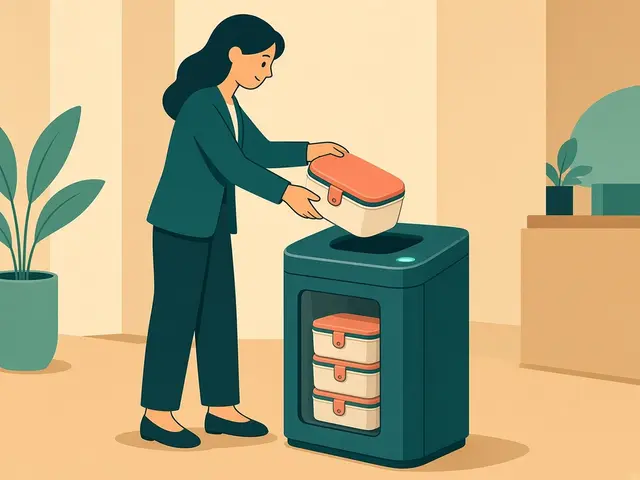
Return. Drop the empty in an on-site return bin. A scan credits it.
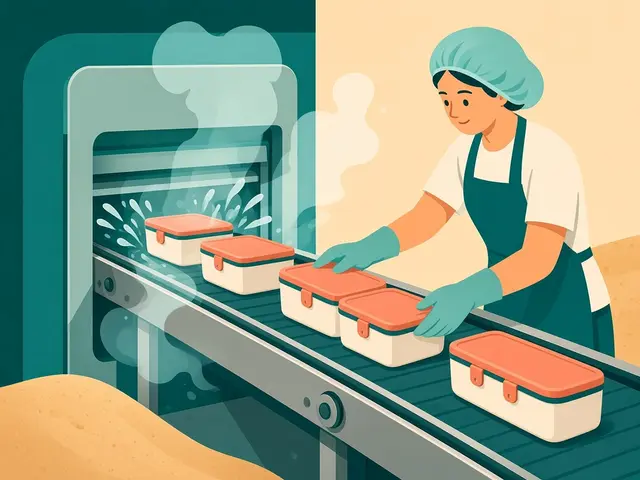
Wash. The existing dishroom washes and sanitizes, logged batch by batch.
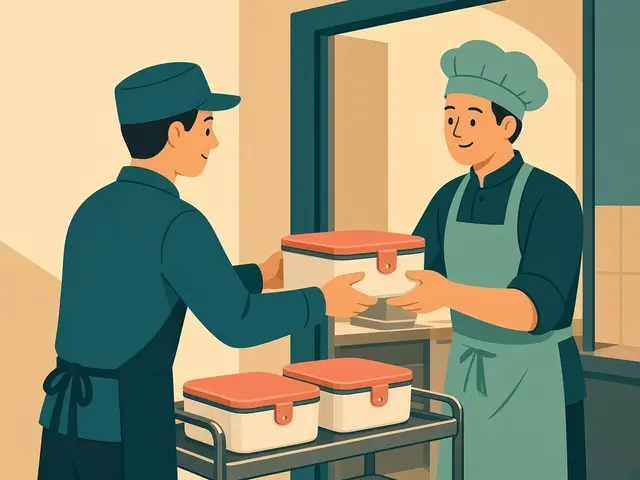
Reissue. Clean stock is back on the line tomorrow. The kitchen pays SwapTote per trip.
Open the full storyboard sheet (swipe or scroll the panels on a phone)
The swap at the doorWedge #2
A pilot with one own-fleet weekly meal-prep or grocery operator: the same driver comes back to the same door every week.

Order. She picks the SwapTote option. A few nested empties already wait by her door.
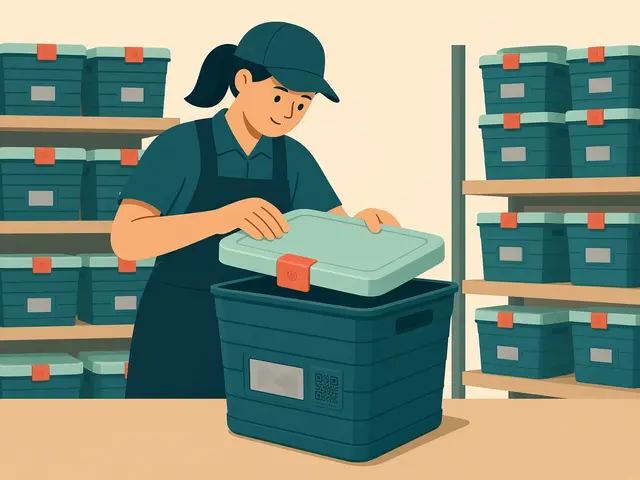
Pack. The order goes straight into a pool tote: no box, tape or void fill. A tamper strip seals it.
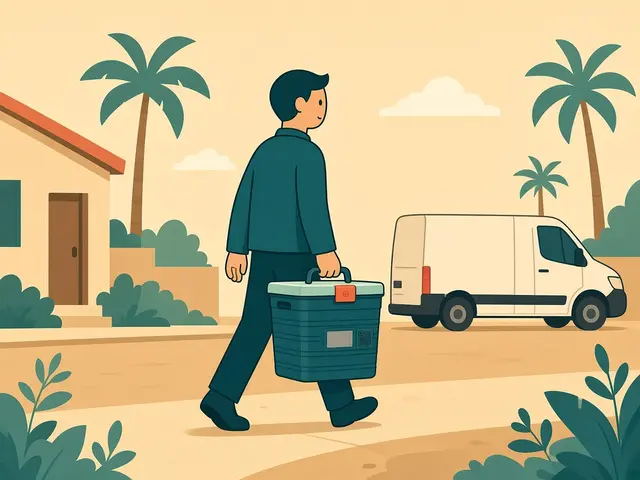
Deliver. The same driver on the same weekly route carries it in one-handed.
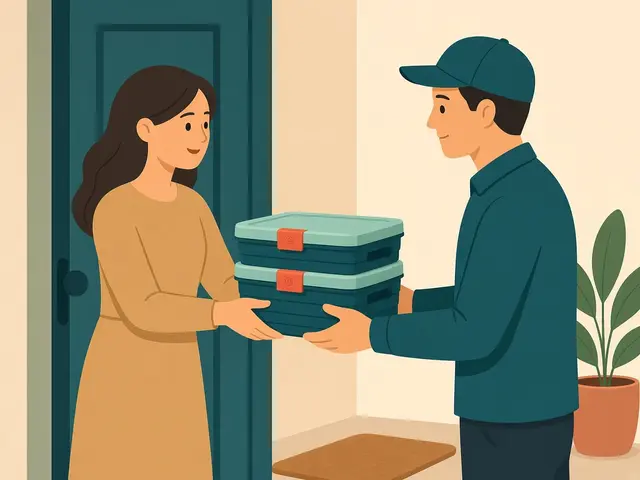
Swap. Full tote in, nested empties out, on a stop the driver was already making.
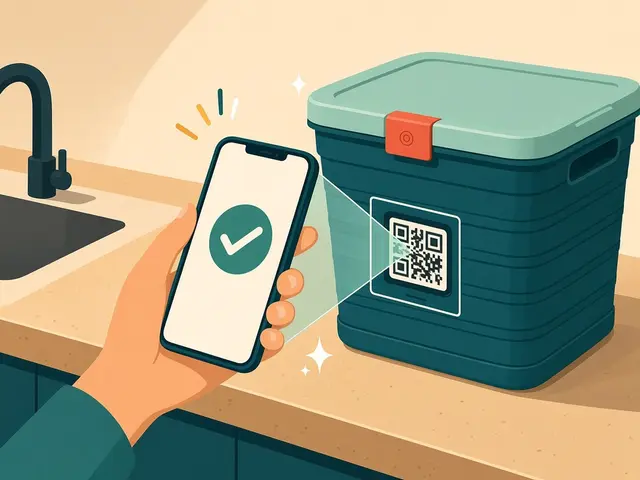
Credit. One scan logs the return and credits her account.
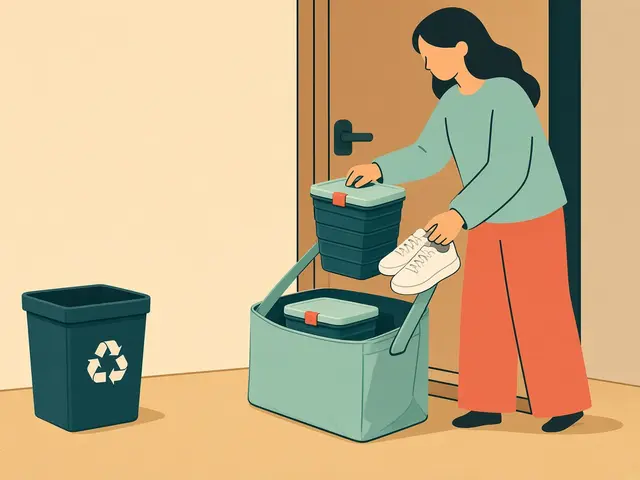
Nest. Unpack, then fold or nest the empty into the Empties Caddy. Nothing goes in the bin.
Open the full storyboard sheet (swipe or scroll the panels on a phone)
A closed loop on a fixed route
Parts runs, pharmacy and clinic supply, office catering: the same stops every week make returns easy.
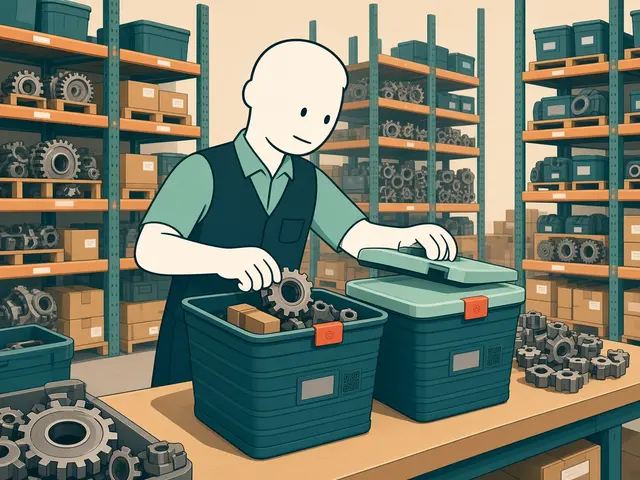
Pack. The distributor packs parts into pool totes instead of corrugated boxes.
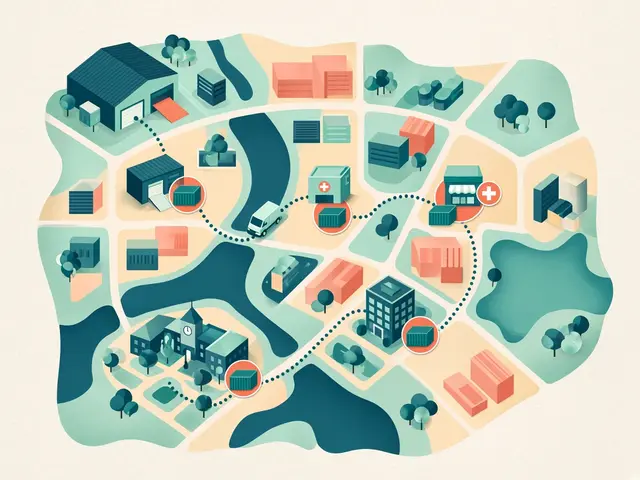
Route. Fixed weekly routes reach the same stops every week.
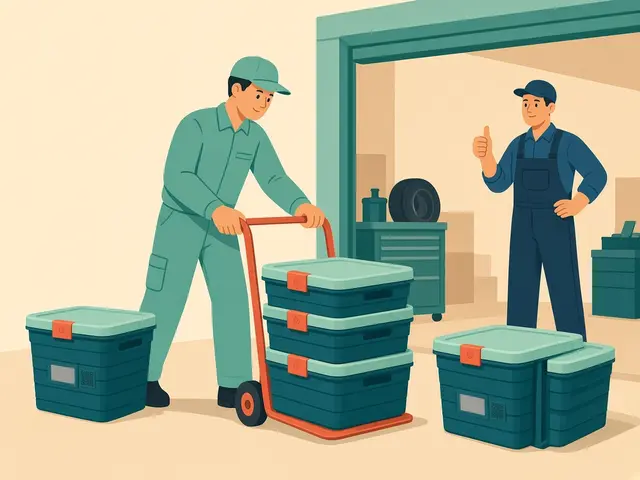
Drop and pick up. Full totes in, empties out, in a single stop.
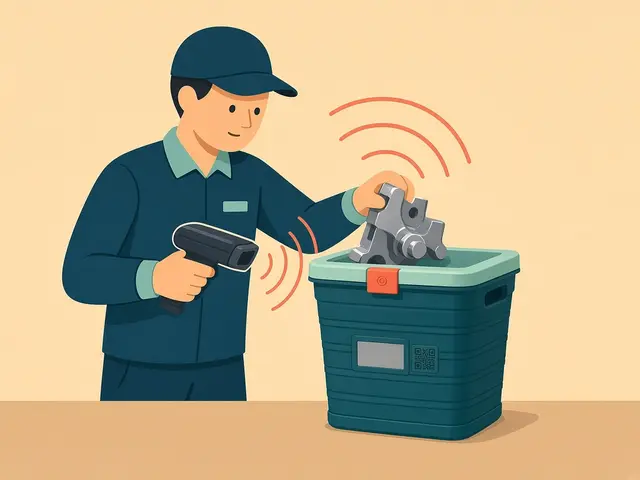
Scan. Each tote is scanned in and out. RFID can read a whole stack at once.

Report. Trip counts and reuse data roll up into compliance reports.
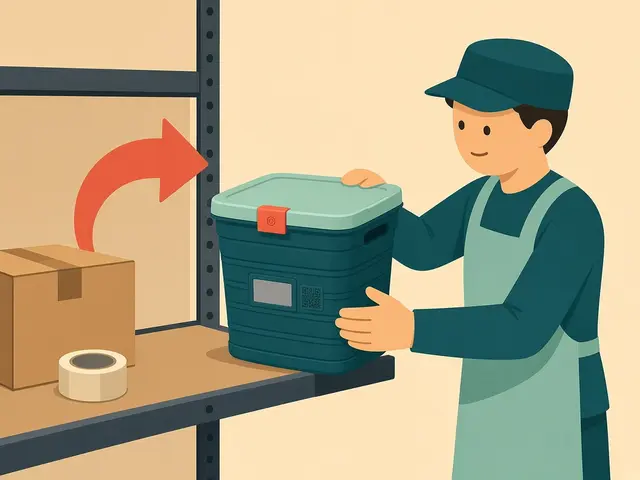
Reuse. Empties go back on the shelf, and the cardboard box retires.
Open the full storyboard sheet (swipe or scroll the panels on a phone)
Return it where you already shopLater
Modeled on German Pfand bottle machines: bring empties along on a normal trip, never a special one.
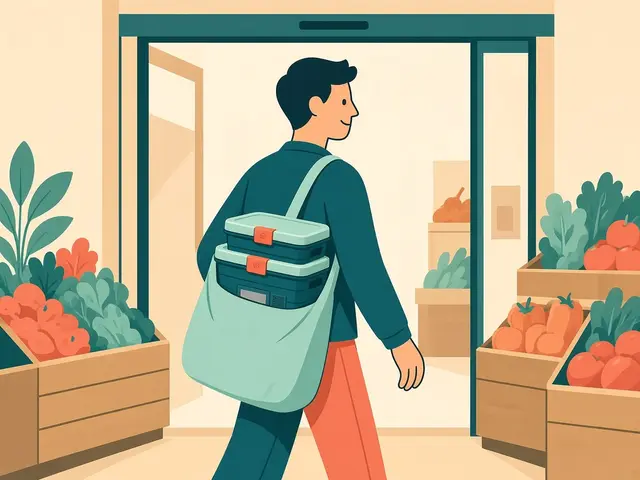
Bring. Empties ride along on a normal shopping trip.
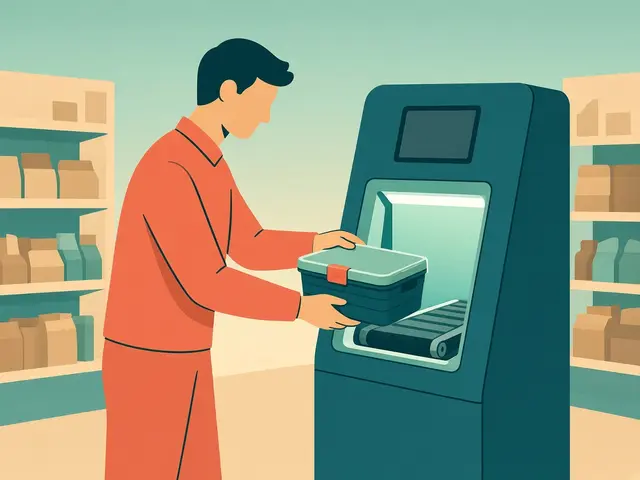
Insert. Feed them into the return point, like a bottle-deposit machine.
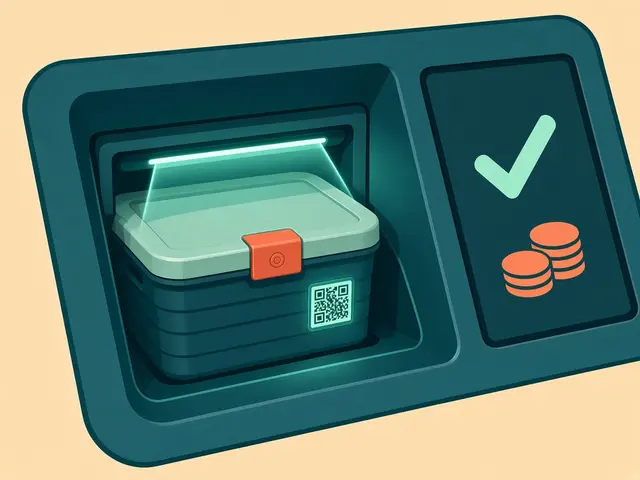
Verify. The machine reads the container ID and confirms the return.
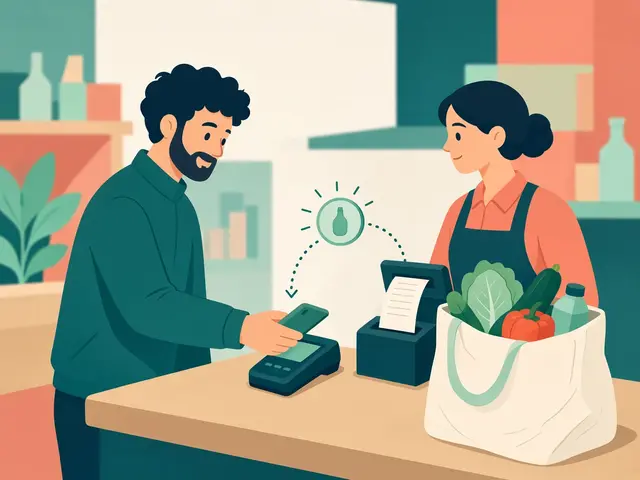
Refund. The deposit or credit comes back at checkout.
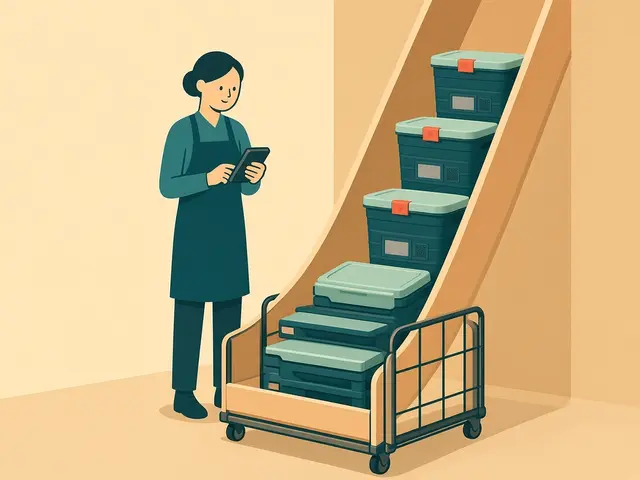
Collect. Returns stack in a roll cage behind the machine.
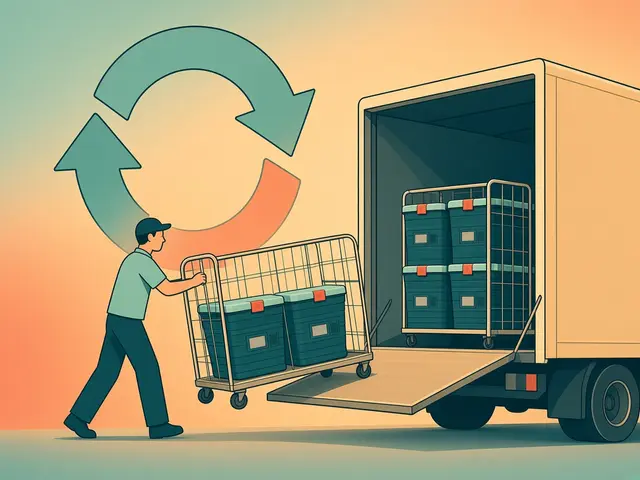
Backhaul. The truck that drops clean stock takes the empties to the wash.
Open the full storyboard sheet (swipe or scroll the panels on a phone)
Use, return, clean, inspect, redeploy
The pool owns every container, tracks it by ID and keeps it in service for as many trips as it can make.
Use. Delivered and swapped at the door.
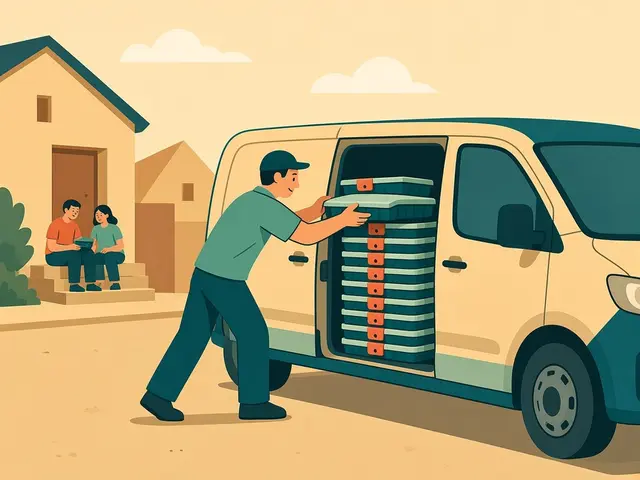
Return. Nested empties ride back in the van.
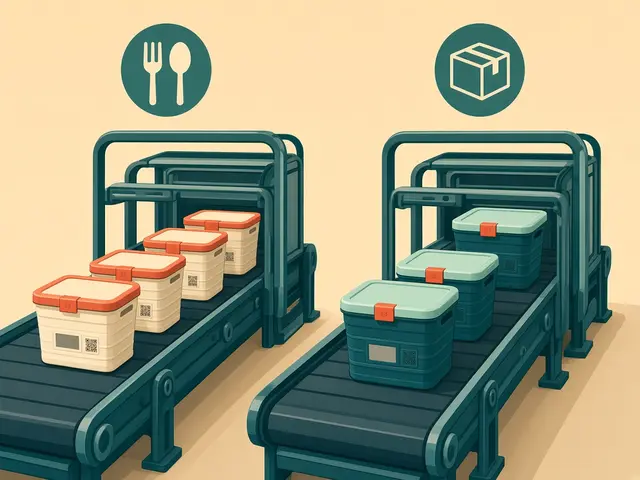
Sort. Food and parcel pools never mix.
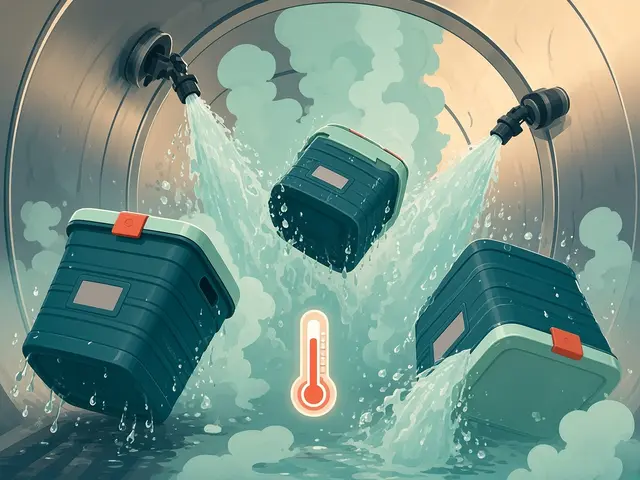
Clean. Hot wash and sanitize, logged per batch.
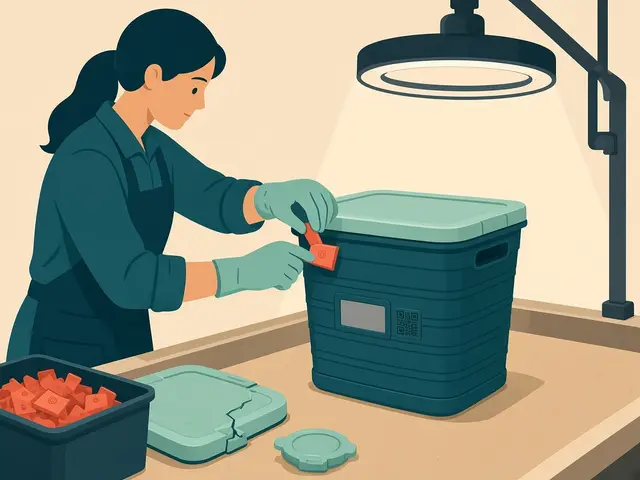
Inspect and repair. Reject cracks; swap lids, handles and seals.
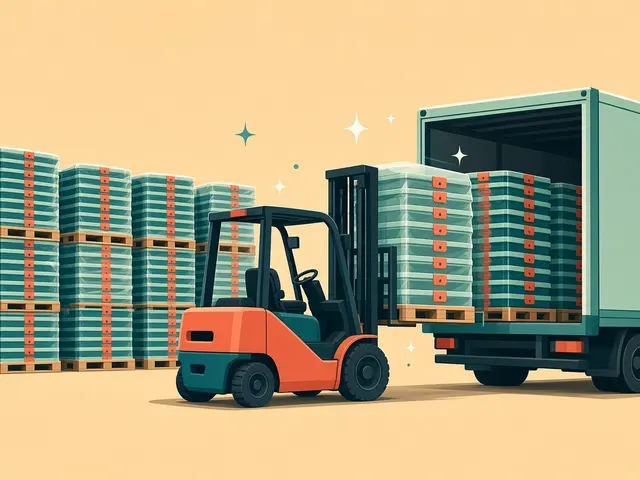
Restock. Clean, nested stock ships out on pallets.
Redeploy. Packed again for the next order.
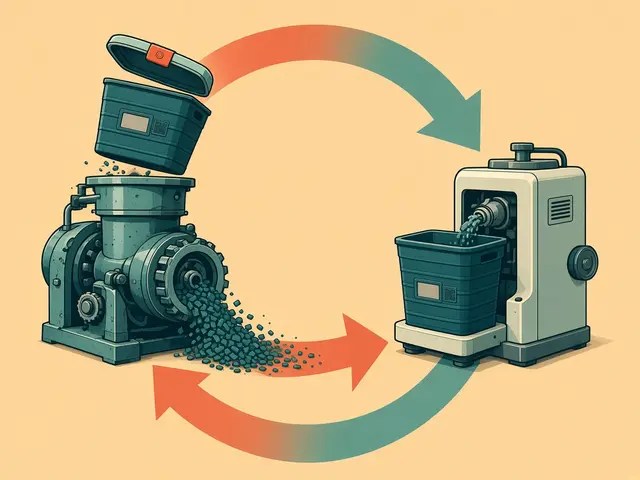
End of life. Worn shells are reground into new containers.
Open the full storyboard sheet (swipe or scroll the panels on a phone)
Easy to carry, light to give back
Designed for a courier with one free hand and a customer with a small hallway.
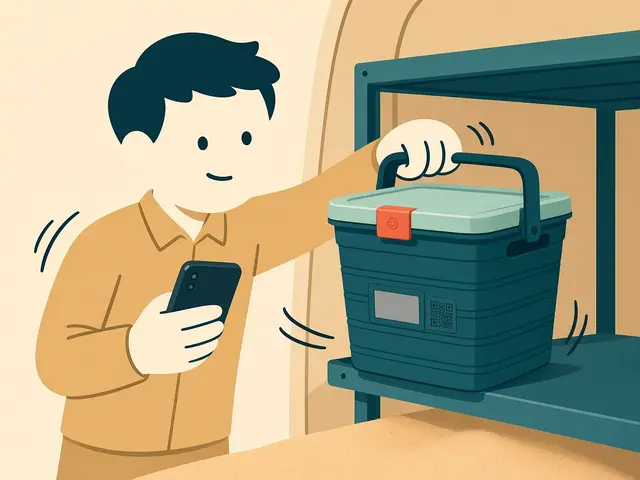
One-handed grab. A wide top handle lets the courier carry it with one hand.
Ergonomic grips. Rounded, recessed grip slots with soft-touch inserts.
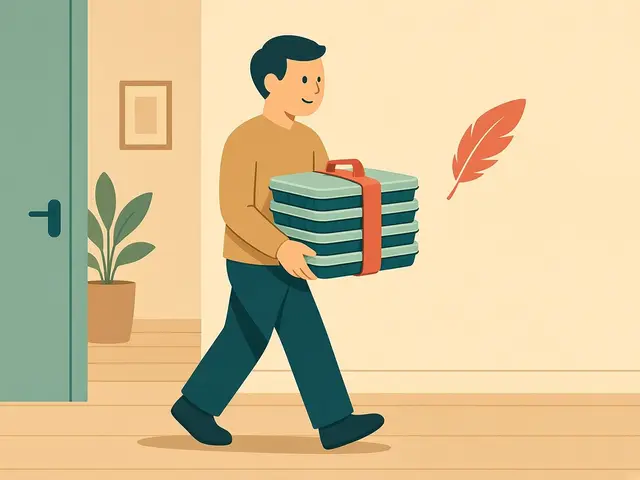
Light stack. Empties nest or fold flat, and one strap carries the stack.
Empties Caddy. A door caddy or return bag holds 3 to 6 nested empties.
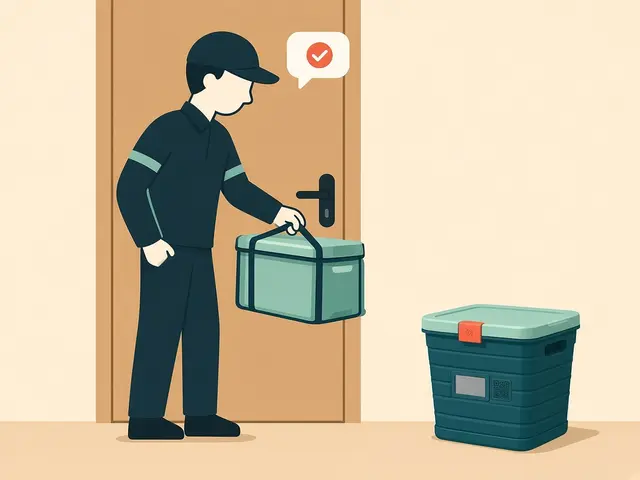
Nobody home?. The courier swaps at the return bag and the app confirms it.
Compact backhaul. Nested empties take a fraction of the van space.
Open the full storyboard sheet (swipe or scroll the panels on a phone)
One pool with three kinds of customers
For businesses
Campus kitchens, hospital food service, meal-prep and grocery operators, distributors.
- Pay per trip and own no inventory
- Use the dishroom you already have on campus
- Get reuse data that counts toward SB 54 compliance
- Buy hardware outright if you run your own closed loop
For carriers and fleets
Own-fleet delivery operators first, with open-network carriers later.
- The swap fits into a stop the driver already makes
- Standard footprints sized for van shelving
- Nested empties ride back behind the seat
- One scan per stack, with no extra paperwork
For consumers
The people at the door, at work and on campus.
- No more breaking down boxes or a full recycling bin
- Hand back empties at the door, a bin or a store
- Never make an extra trip just to return something
- A tamper strip shows that nobody opened your order
Rent the trips, don't just sell boxes
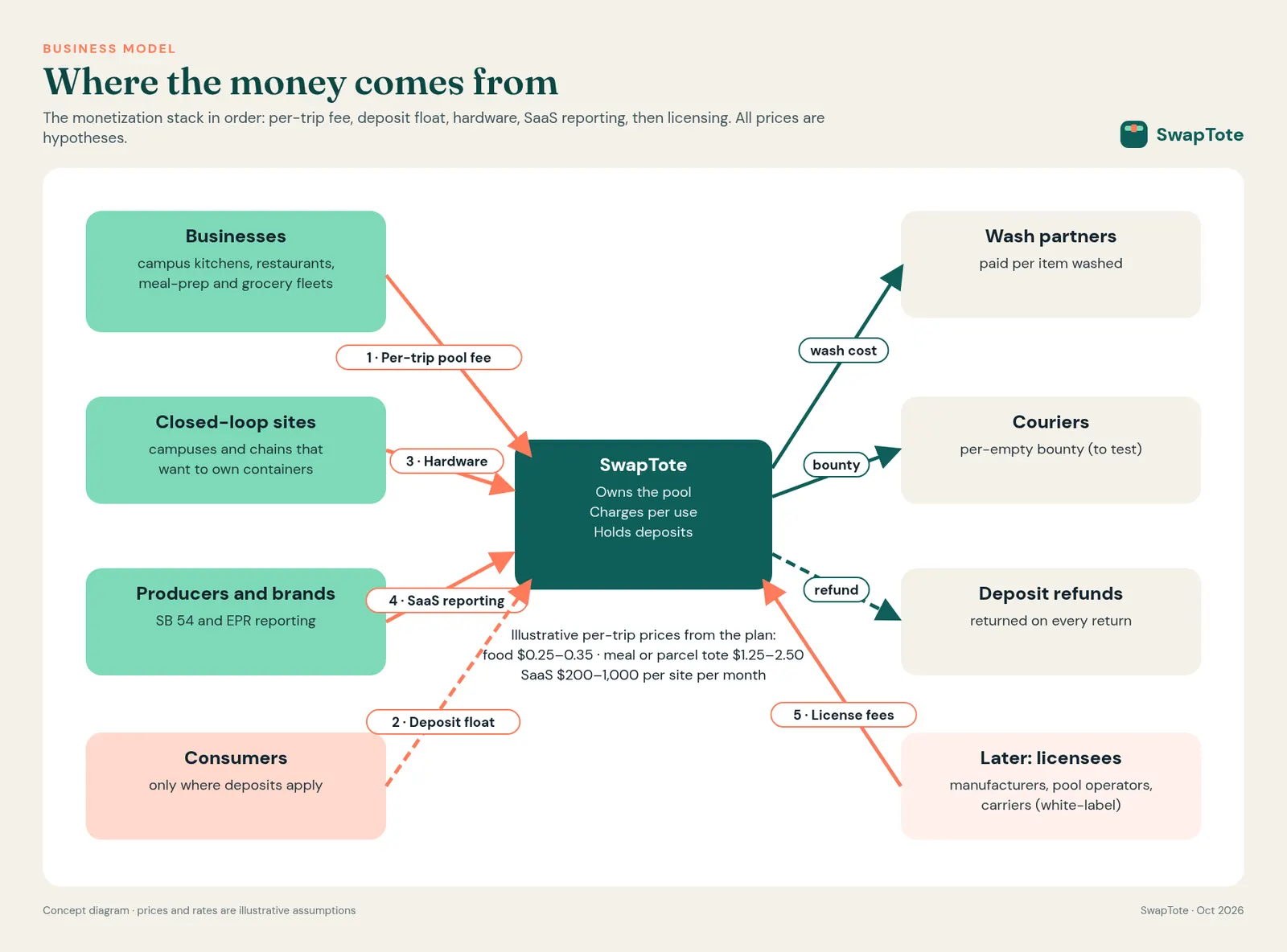
Like pallet pooling, SwapTote owns the containers and charges each time one is used. The network gets harder to copy as it grows denser.
- Per-trip pool feeBusinesses pay each time a container is used. This is the core recurring revenue. Illustrative: food about $0.25–0.35 per trip; meal and parcel totes about $1.25–2.50 per trip.
- Deposit floatRefundable deposits are used only where they help returns. Unclaimed deposits help cover lost units. Illustrative: about $5 per container.
- Hardware for closed loopsCampuses and chains that want to own their containers buy them on the SwapTote standard. Illustrative: cost plus 30–50%.
- SaaS reporting for SB 54Tracking and reuse reports for producers and operators. Illustrative: about $200–1,000 per site per month.
- Then: license the standardSizes, IDs, wash spec and data, licensed to manufacturers and other pool operators, or run as a white-label pool for carriers.
Win one dense loop, then the next
Pilot in San Diego County
- Wedge #1: closed-loop food delivery and takeout on controlled campuses (corporate, hospital, college, large buildings). Washed in the existing dishroom, and the business pays per trip.
- Wedge #2: a swap-at-the-door pilot with one own-fleet weekly meal-prep or grocery operator.
City density
- North County coastal and downtown San Diego
- First SwapTote wash hub
- Custom nesting design and tooling
- SaaS reporting launch
More cities
- LA/OC, the Bay Area, and other EPR states
- A playbook for one hub per metro
- A B2B tote line with 3PLs
- Licensing pilots
The last-mile standard
- Publish the open standard
- White-label pools for carriers and platforms
- License the standard in the EU as reuse targets start
Phase 0 targets from the plan (illustrative): returns of 95% or more, at least 10 trips per container, and no more than 15 seconds added per stop.
See how much the return rate matters
Illustrative assumptions only. The calculator uses simple arithmetic on the inputs you choose. It is not measured data or a forecast. The default values are placeholders.
Questions people ask
Is it hygienic to get food in a reused container?
What if I'm not home?
What happens if I don't return a container?
Do I have to pay a deposit?
Who washes the containers?
Will this work with the big national carriers?
Is it really better for the environment?
Why rent trips instead of selling containers?
Run a pilot in San Diego County
We're looking for campus kitchens, hospital food service, large buildings, and one own-fleet weekly meal-prep or grocery operator.
Thank you!
Your interest is noted for this preview. Nothing was sent or saved. Once the pilot program opens, this form will reach the SwapTote team.